

Shared Wallets and Casino Bonuses: How U.S. Players Are Expanding Their Online Strategy in 2026
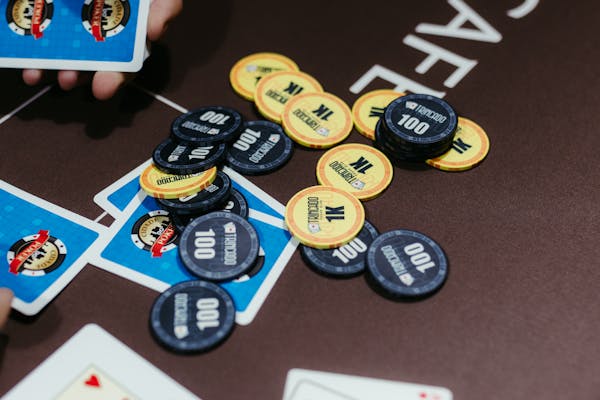
Online poker in the United States looks a lot different to what it did just a few years ago.
Between regulated markets in states like New Jersey, Pennsylvania, Michigan, and Nevada (and a growing interest in sweepstakes and offshore platforms), American players have more choice than ever - they also appear to be getting smarter.
Today's U.S. poker enthusiasts aren't just grinding cash games or firing tournament bullets. They're diversifying their online poker strategy - treating casino lobbies the same way they treat poker tables: with logic, discipline, and a clear edge-based mindset.
Read on to find out why this might be happening, and how smart players are finding ways to adapt.
Let's explore why this shift is happening and how smart players are adapting.
Analytics are playing a bigger role than ever
To make it as a successful poker player in the U.S, you're going to need to know a thing or two about strategy. Hand histories, ROI, pot odds, rake structures should all be on your to-learn list before you dip into your bank account. Yet, this analysis has now gone up a gear, and players are now approaching casino platforms the same way they approach tournaments - by deeply assessing value and risk.
Books like On the Edge by Nate Silver, not to mention various documentaries, have helped to fuel this trend, but it's now quite common for your average player to do their poker homework before jumping into an online lobby.
They're also applying this analysis to another online feature that you won't get in the real world - promotions. The modern player now knows what works for her or him: they spend time comparing them, checking return-to-player percentages, and reading the fine print before accepting a bonus. It makes sense when you think about it: if you're trained to think in terms of edge, everything (including bonus funds) becomes part of the calculation.
Why poker players are seeking this edge
One of the first themes of Nate Silver's book mentioned earlier is the concept of Expected Value (EV) - basically the difference between current odds and actual value. Casino promotions, particularly no-deposit offers or free spin packages, are amazing EV enhancers: they give an extra chance of winning something for nothing. In poker terms, it's maximizing value while limiting exposure.
Tournament variance is another reason. Even strong players go long stretches without a big score. During those periods, some look for lower-pressure alternatives that still feel competitive but don't require hours of mental intensity.
That's why many are researching platforms offering the best free spins in US casinos casinos, looking specifically for:
- Low wagering requirements
- Transparent terms
- High-RTP slot selections
The structure of regulated U.S. platforms is another factor in this. In many states, poker and casino games operate under the same umbrella and share a wallet and loyalty program, so it's common to see a player who deposits to play poker receive automatic cross-promotional casino.
This encourages players to explore new techniques, especially for those already used to making the most of rewards systems.
Skill transfer and its limits
Another area getting a lot of attention from poker players is bankroll management, a skill that works well in many walks of life.
More people than ever are learning that staying in the game is smarter than aiming for short-term swings. This means they're less likely to chase losses impulsively because they know what it's like to crash out of a game earlier than they should have. This requires emotional control, but the rewards are impressive.
Most importantly, poker players are used to studying structures and rules. Whether reviewing blind levels or rake percentages, they've built a habit of reading the fine print carefully before committing funds.
However, experienced players also recognize a fundamental distinction. Poker is a peer-to-peer game where skill creates long-term opportunity. Many other casino games operate against a fixed house edge. That mathematical difference matters.
Understanding this keeps expectations realistic. For serious players, poker remains the primary skill-based pursuit. Everything else is secondary.
A more mature U.S. player base
IGaming platforms in the U.S. are adapting to changes in regulation by offering more modern experiences. Poker education is one of them.
It's not possible to find training tools, solvers, and strategy discussions affiliated with major providers. Even recreational players now understand concepts that were once reserved for professionals.
This has created a more mature player base, one that values discipline over impulse and long-term thinking over short-term excitement.
The smartest players separate entertainment from investment. They track results. They set limits. And they make decisions based on information rather than emotion.
In short, they apply poker discipline everywhere.
The bottom line
Poker remains one of the most skill-driven forms of gambling available in the United States, but today's players are no longer operating in isolation. They have access to a broader online ecosystem with the same structured mindset that defines strong play at the tables. The principle is consistent for many of these players: think long-term, protect your bankroll, and prioritize informed decisions.
In 2026, edge is more than just the cards you're dealt - it's about how you approach the entire platform.
B&M Poker
 Find Poker RoomsB&M TutorialB&M EtiquettePoker Cheaters
Poker Info
Famous PlayersPoker EventsPoker TaxesPoker DVDsPoker QuotesPoker PropsPoker InterviewsPoker PollsPoker Movies
Movie Poker SceneRounders ReviewRounders SequelRounders QuotesLogin
Casino & Poker


Play Blackjack
