

Top 5 Common Poker Mistakes and How to Avoid Them
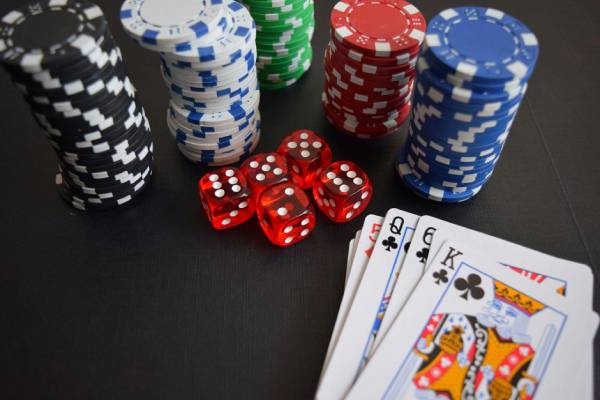
Poker demands skill, patience, and strategic thinking. But even seasoned players fall victim to subtle errors that chip away at their long-term success, whether that's playing too many hands or forgetting about rake fees and how much they can add up.
1. Overlooking the Impact of Rake
Many poker players spend time sharpening their strategies but overlook rake, the fee taken from each pot by the poker room. While it might seem minor, especially in low-stakes games, rake usually ranges from 2.5% to 10% and can add up over time, quietly cutting into profits across hundreds of hands.
Poker coach Steve Selbrede analyzed nearly 1,000 low-stakes online hands and found that even solid strategies struggled to stay profitable under higher rake. No matter how well you play, high rake can significantly limit your potential earnings. To avoid this mistake, always review a site's rake structure before playing. Prioritize platforms with low or capped rake, or find those offering rakeback deals. According to recent ReadWrite poker insights, there are even some online poker rooms that offer rakeback of up to 35%, which can make a huge difference to regular or high-stakes players.
2. Letting Tilt Collapse Your Strategy
Tilt can slip in quietly, a lost hand here, a bad beat there, and suddenly, you're making decisions out of frustration. It's the emotional weight that clouds judgment, leading players to call or raise when they shouldn't. Frustration is the most common trigger. A long losing streak or one unlucky card can be enough to throw you off balance. Recognizing early signs like playing too fast or feeling irritated is key to catching tilt before it snowballs. The best way to deal with tilt is to pause. Step away from the table, take a short break, and reset your focus.
3. Ignoring Opponents' Patterns and Tells
Poker is more than just numbers and odds, it's a game where observation matters as much as the cards in your hand. One common mistake is focusing too much on your own decisions while ignoring how others behave at the table. Real tells may not be obvious, but subtle habits often reveal useful information.
Clues appear in both live and online games. At the table, body language and timing can reveal confidence or doubt. Online, patterns in bet size, speed, and frequency offer similar insight. Use the time between hands to track these habits, consistent observation turns small reads into real advantages.
4. Playing Too Many Hands
One of the quickest ways to lose at poker is by playing too many hands. What starts as an effort to stay active often turns into chasing weak holdings that rarely pay off. Loose play, especially from an early position, puts you at a disadvantage before the hand even develops.
Weak starting hands like low pairs or off-suit connectors lead to difficult decisions post-flop. Even when you connect, your hand may still be second best. The fix is simple: tighten your range and stay selective. In the early position, focus only on premium hands.
5. Neglecting Table Position
Table position is one of the most important concepts in poker, yet many new players treat every seat the same. Position affects how much information you have when making a decision. The later you act in a hand, the more you know about your opponents' actions, giving you a clearer picture of where you stand.
When you act early, you're often making choices without knowing what others will do. You might face raises or re-raises after you've already committed chips. In contrast, late position gives you the chance to react to others, avoid trouble, and apply pressure when the timing is right.
Smart players adjust their strategy based on where they sit. In the early position, play tighter and more conservatively. In a late position, widen your range and look for chances to pick up pots. Using position to your advantage allows you to play with control and confidence.
B&M Poker
 Find Poker RoomsB&M TutorialB&M EtiquettePoker Cheaters
Poker Info
Famous PlayersPoker EventsPoker TaxesPoker DVDsPoker QuotesPoker PropsPoker InterviewsPoker PollsPoker Movies
Movie Poker SceneRounders ReviewRounders SequelRounders QuotesLogin
Casino & Poker


Play Blackjack
