

Avoiding Common Poker Mistakes in Home Games and Exploring Low Rake Casino Alternatives
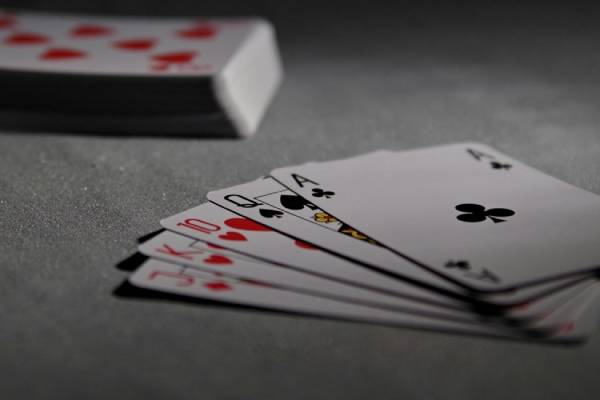
A home game often begins with ease. Cards move across the felt, chips click together, a hand is dealt, then another. Somewhere in that rhythm, a small slice disappears from the pot. The rake. Most players don't think about it until the cash box is opened and the count comes up short. Even a few chips from each pot can take the shine off a night's play. Over a long session, that quiet drain doesn't stop.
Turning Toward New Tables
When the give and take at the table no longer feels even, eyes start to wander. Some games are built so the pot stays where it belongs. In a few private circles, the rules keep extra cuts out altogether. Community halls might charge the same fee whether the stakes are small or high.
Others move toward licensed platforms for real money games, where the rules are written down and followed without exception. New players might get a bonus when they start, regulars collect rewards for returning, and payouts come through without delays. The steady rhythm of that reliability lets the play speak for itself.
When the setup works for the players, each hand counts for what it's worth. Take away that balance, and the rake starts to speak louder than the cards.
How Rake Changes the Math
Rake is simply a cut from the pot-sometimes fixed, sometimes open-ended. In friendly games, it slips past without much notice. A host may treat it like part of the furniture, something that has always been there. For those playing, it can decide how the night feels when it ends. A run that looked strong at the table may flatten once the rake is counted out. Over a season of games, it can turn wins into something closer to a standstill. That pull on the stack is as real as a poor call at the wrong time.
Seeing when the rake is too heavy isn't something you catch with a quick glance. Players who follow the way the game is built know when the seat is worth keeping. A capped drop now and then might pass without notice. An open rake can empty a stack before the board has had its say. The real tilt doesn't always come from the cards - sometimes it's in the rules that frame the game.
Where Low Rake Makes a Difference
Some games keep their fees light. A set cap, or the old "no flop, no drop" rule, can change the whole feel of the table. More chips stay in the stacks, and more hands are worth seeing through. Over weeks of play, the numbers begin to tell the difference. With less rake, the hand's result comes down to choices made, not the cut taken from the pot. What players remember is the hand that turned the night, not the quiet chips that slipped away.
Look at the figures over time. Lower rake means a higher percentage of winnings stays with the players. The figures tell the story, plain and simple. In rooms where the rake is gentle, Lower rake leaves more room for skill to decide the outcome. Bluff or call, raise or fold, the outcome reflects the choices made, not the cut taken. Those sessions end with stacks that speak for themselves.
Keeping the Game True
Choosing where to sit down-whether in a living room or online-is not a casual choice. The rake sits in every pot, steady and unhurried, a quiet part of the game. But it's always there. Respecting its impact is part of protecting the game itself. The aim is simple: keep the chips on the table for as long as the cards are in the air. That's when poker feels right. That's when the game belongs to the players.
A game built on fair terms carries further than a single night's play. The habits formed-watching the structure, knowing when the cut is fair-follow players into every room they enter. That awareness shapes the quality of the games that come after, keeping poker grounded in the contest it's meant to be.
B&M Poker
 Find Poker RoomsB&M TutorialB&M EtiquettePoker Cheaters
Poker Info
Famous PlayersPoker EventsPoker TaxesPoker DVDsPoker QuotesPoker PropsPoker InterviewsPoker PollsPoker Movies
Movie Poker SceneRounders ReviewRounders SequelRounders QuotesLogin
Casino & Poker


Play Blackjack
